
Columbus, Ohio Production 3D Print Farm: What JCSFY Does Differently for Engineering + Bulk Orders
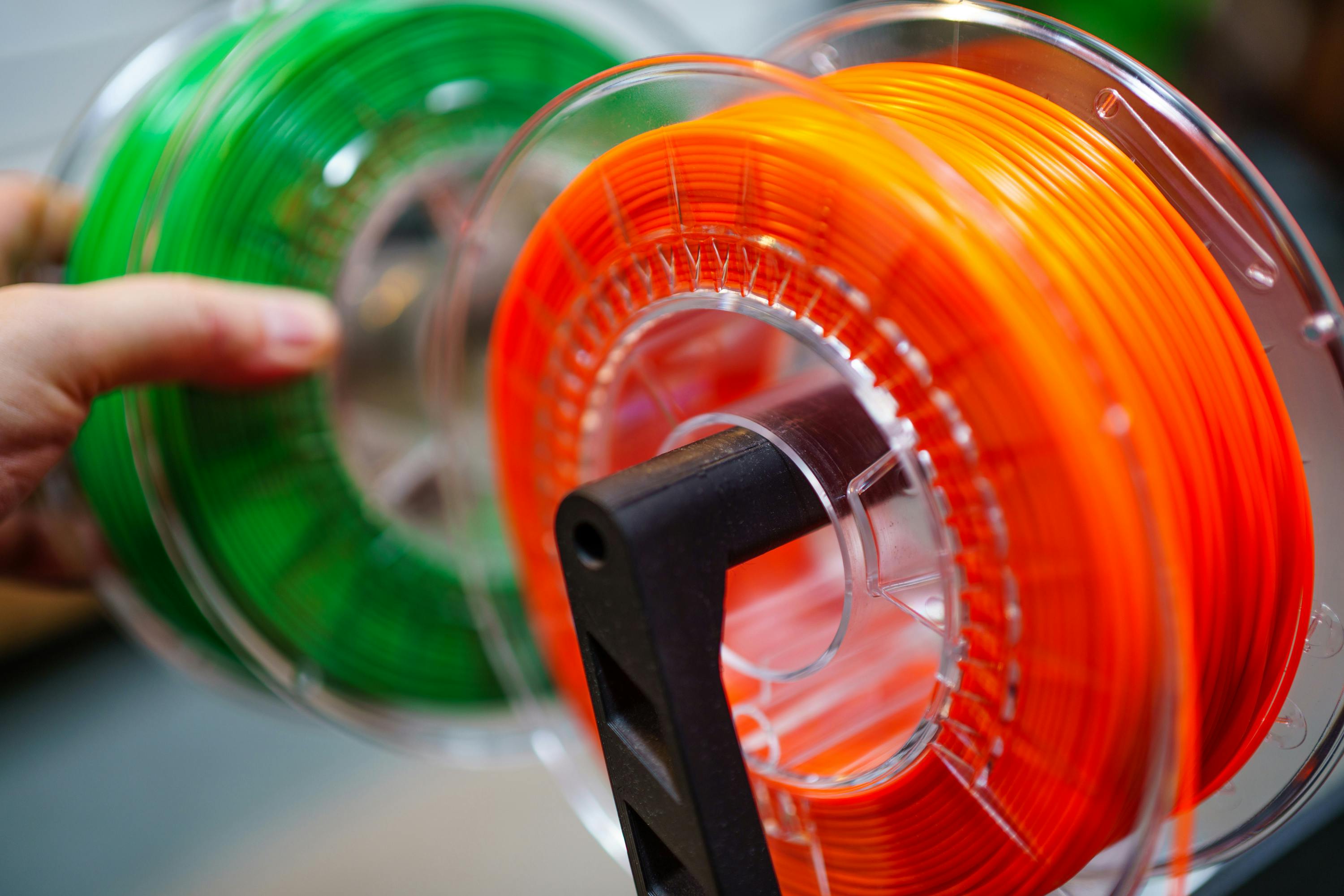
Columbus, Ohio Production 3D Print Farm: What JCSFY Does Differently for Engineering + Bulk Orders
If you’re in Columbus, Ohio and you’re looking for production 3D printing (not a hobby print, not a one-off prototype), the “printer” is usually not the hard part. The hard part is everything around it: consistency across batches, quality gates, material control, and the ability to run a schedule that doesn’t implode when you need 200 more parts next week.
That’s what we built at JCSFY. We run a Large-Scale Production 3D Print Farm in Central Ohio designed for repeatable output and predictable delivery—especially when you’re ordering engineering parts, fixtures, replacement components, or bulk product runs.
What “production 3D printing” actually means (and why it matters for engineering parts)
When someone says they can do “bulk 3D printing,” that can mean anything from “I own three printers” to “we have the systems to run production.” For engineering customers, the difference shows up fast:
- Repeatability: Part #1 should match part #200.
- Change control: If something changes (material lot, slicer profile, orientation), it’s intentional and tracked.
- QC gates: Parts get checked before they get assembled/packed/shipped.
- Scheduling: Your run doesn’t stall because one printer is down or a “special setup” only exists in someone’s head.
This is why we treat the farm like an operation—not a collection of machines. If you want the behind-the-scenes version of how we structure queueing, standard work, and automation, our print farm management tips and automation pillar is the best overview.
Fully enclosed, multi-color printers = flexibility without “printer hacking”
One big difference in our setup: we run fully enclosed, multi-color capable printers for maximum flexibility. In the real world, this matters for two reasons:
- Materials behave better in an enclosure: It’s easier to hold stable conditions for prints that don’t love drafts and temperature swings.
- Multi-color and multi-material workflows are built-in: We can support complex SKU sets and labeling/variant needs without turning every job into a science project.
There are plenty of printers out there that can be made to “sort of” do these things… after mods, custom parts, and a lot of tinkering. That can be fun in a garage. In production, it’s a reliability tax. We prefer systems that run clean at scale, because the goal is predictable output, not a constant troubleshooting marathon.
For context on the platform-level capabilities of enclosed, production-focused printers, see the manufacturer overview from Bambu Lab.
QC is not a vibe — it’s a set of gates
If you’re ordering bulk parts, the fastest way to lose time is discovering quality issues at the end of a run (or worse, after assembly). We run quality control like a pipeline:
- Printer-side checks: catch failures early so we don’t burn hours of machine time.
- Post-print inspection: quick pass for obvious dimensional/fit and surface issues.
- Assembly / finishing checks: remove sharp edges, clean interfaces, verify function.
- Pack-out verification: confirm SKU/order match and ship-ready condition.
Our deeper standard is documented in the quality control inspection standards pillar—this is the “how we keep parts consistent” piece that matters for engineering work.
Engineering materials: choosing what works, not what’s trendy
For engineering customers, material selection is usually about performance + risk:
- PLA when you need fast, stable parts that live indoors and don’t see heat.
- PETG when you need a bit more toughness and temperature tolerance.
- ASA when UV/weather resistance matters (or the part will live in a hotter environment).
- TPU for flexible parts and impact absorption.
If you want a straight-shooting comparison (and the tradeoffs we actually see in production), our PLA vs PETG vs ASA guide is a solid starting point.
If you need a quick reference on engineering filament families and use-cases, Polymaker is a good high-level resource. (We’ll still sanity-check the choice based on your geometry, loads, and tolerances.)
Columbus-area turnaround: what we can do fast (and what we need from you)
We can move quickly when the project intake is clean. If you want a quote that doesn’t bounce back-and-forth for a week, here’s what helps:
- STL/STEP + target quantity: “20 now, 200/month” is great context.
- Material + color preferences: or tell us the functional constraints and we’ll recommend.
- Any critical dimensions / interfaces: holes, press fits, mating surfaces, tolerance stacks.
- What success means: cosmetic? functional? “it must survive being dropped”? “it sits next to a motor”?
If you already have files and you’re ready to move, submit your project through our intake form: contact our 3D print farm.
When you should use a print farm (and when you shouldn’t)
We’re a great fit when you need:
- repeat batches that stay consistent
- engineering-focused prints where function matters
- bulk production runs without the “hobby shop variability”
- help scaling from prototype → small run → sustained production
If you need a single decorative print and you’re optimizing for the lowest possible cost, you may be better served by a local hobbyist. If you need predictable parts you can build a process around, that’s what our farm is built for.
Get a quote for Columbus bulk + engineering 3D printing
Start here if you want us to review your files and recommend the best path: submit your project to the farm. If you already know what you want and just want pricing fast, you can also get an instant quote.
Either way, we’ll tell you the truth: what will print clean, what will be risky at volume, and how we’d run it to keep the batch consistent.