
3D Printing Tech
Deep dives, behind‑the‑scenes notes, and practical tips from JC Studio For You—covering prints, products, setups, and more.

How 3D Printing Quality Got Better: The Gaming Grip Test Most People Ignore
Modern 3D printing quality has improved far beyond the old stereotypes, especially for products people touch for hours at a time. This arti…
Read article →
3D Printing vs Injection Molding: Real Break-Even Points for Versions and Production Runs
This guide breaks down real break-even points between 3D printing and injection molding, especially when design versions change often. It e…
Read article →
Production 3D Printing Lead Times: What to Expect From a Print Farm in Ohio
This guide explains realistic production 3D printing lead times, what causes delays, and how to shorten turnaround for repeat batch orders.…
Read article →
How to Start a 3D Printing Business (Without Overbuying Printers): The Slow Start That Actually Works
Starting a 3D printing business is usually slow at first—so don’t buy a farm on day one. Here’s how we started, why our first 30 listings g…
Read article →
How We Use ShipStation in a 3D Print Farm: API Automation, Tags, and 3PL Fulfillment
ShipStation is the hub we use to keep orders moving across channels, automate tagging via the API, and hand off the right SKUs to our 3PL w…
Read article →
Columbus, Ohio Production 3D Print Farm: What JCSFY Does Differently for Engineering + Bulk Orders
If you’re in Columbus and need production-grade 3D printing for engineering parts, here’s what we do differently: enclosed multi-color prin…
Read article →
3D Print Support Settings (Production Guide): Tree vs Hybrid vs Grid, and When to Use Each
Support settings decide whether parts ship cleanly or turn into a removal-and-rework mess. Here’s how we pick tree, hybrid, and grid suppor…
Read article →
Bed Adhesion Mastery: Clean Plates, First-Layer Settings, and Plate Selection (Production Tips)
Bed adhesion problems are usually process problems: dirty plates, inconsistent first layers, or the wrong build surface for the material. H…
Read article →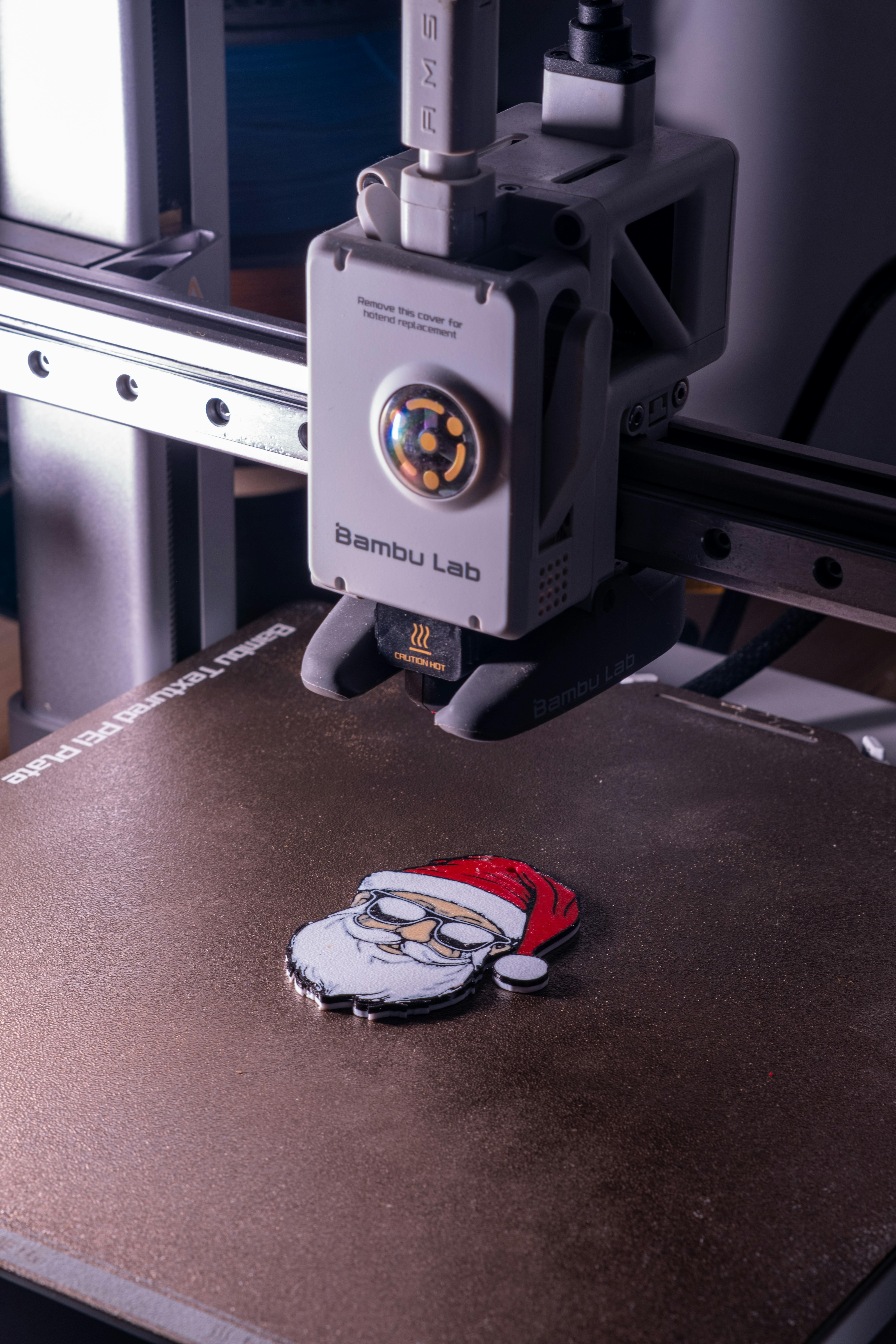
Quality Control in a 3D Print Farm: How JCSFY Inspects, Dispositioning Defects, and Ships Consistently
Quality control at scale isn’t “inspect harder”—it’s a repeatable standard, clear accept/rework/reprint rules, and fast feedback that keeps…
Read article →
Fabmatic + Print Farm Automation: Custom G-code, Printago Workflows, and Higher Utilization
If your farm shows ~30% monthly uptime, the problem is usually “dead time” between prints, not printer speed. Here’s how Fabmatic-style aut…
Read article →
Scheduling High-Mix, Low-Volume Runs Without Killing Throughput (9–5 Print Farms)
Scheduling high-mix work in a 9–5 print farm is about building a 5–6 hour daytime sweet spot, then maximizing unsupervised overnight/weeken…
Read article →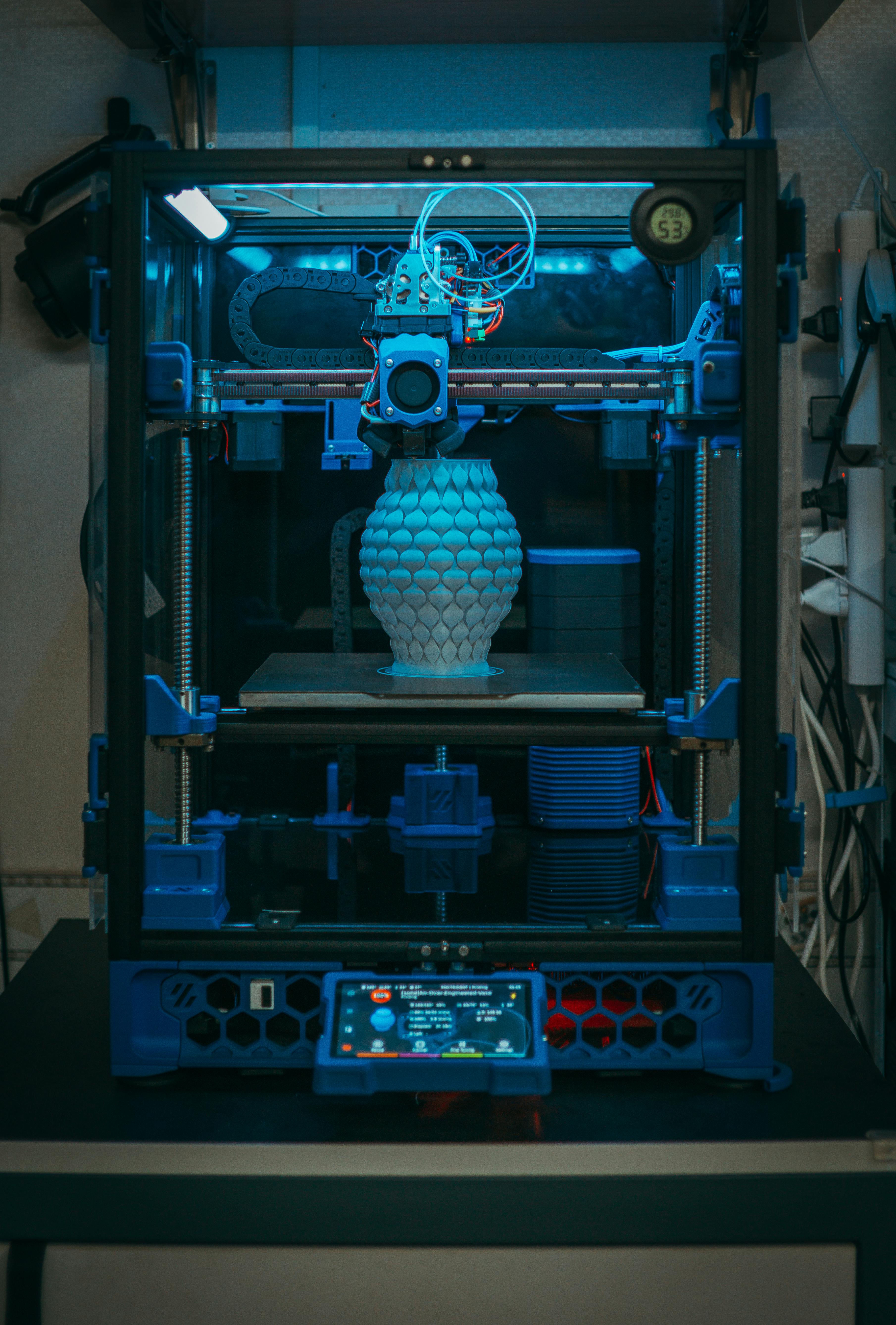
How to Print Clear/Translucent Filament So It Actually Looks Translucent
Most “clear” filament prints come out cloudy because layer lines, micro-gaps, and moisture scatter light. Here’s how we tune settings, orie…
Read article →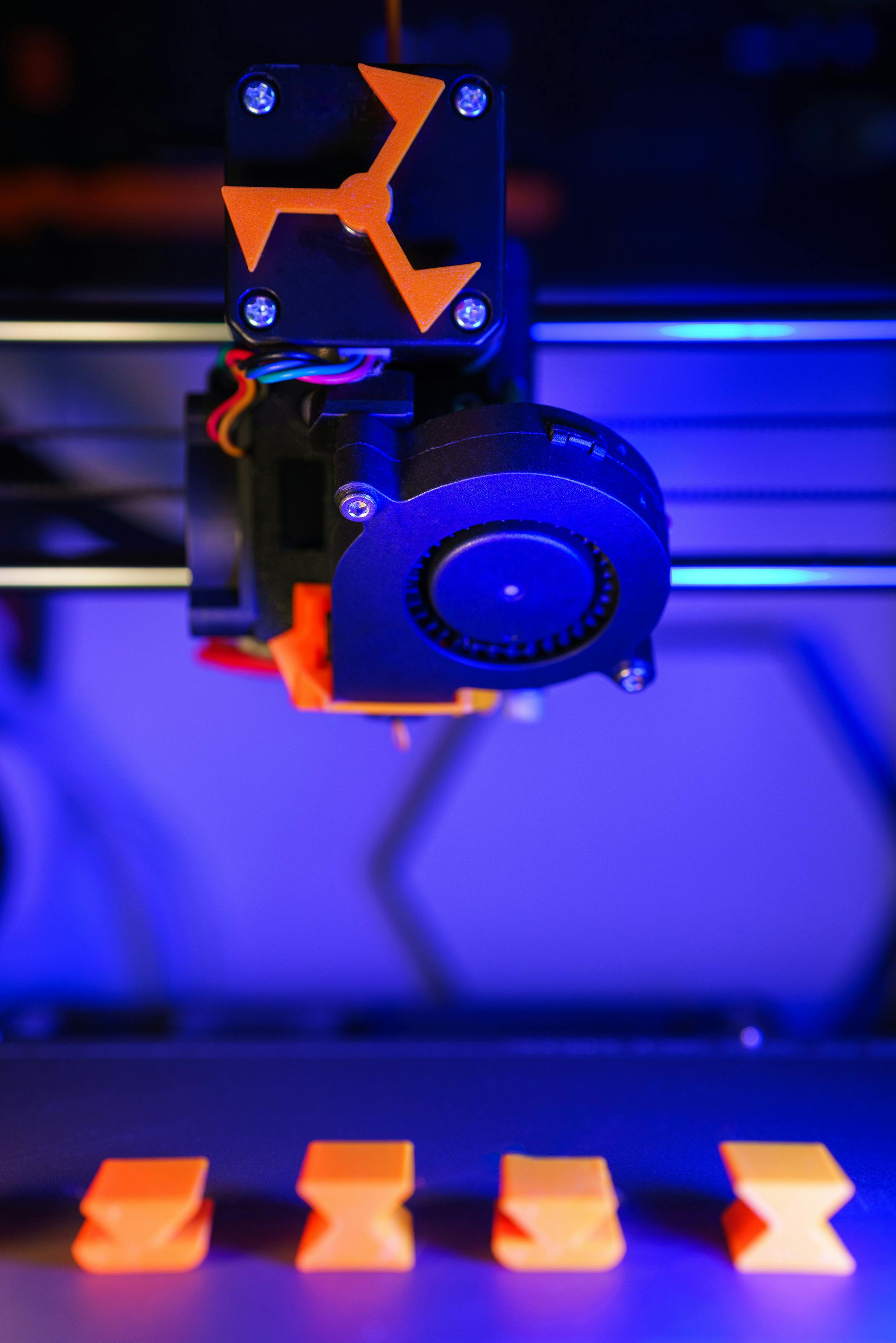
Preventing Nozzle Clogs in Production: Filament Handling, Purge Routines, and Swap Discipline
Nozzle clogs rarely come out of nowhere—they’re usually wet filament, contamination, bad swaps, or profiles pushed past what the material c…
Read article →
Cost Drivers in 3D Printing Quotes: How to Optimize Your Part (Without Guessing)
Most 3D printing quote surprises come from the same few drivers: print time, supports, material choice, orientation, and post-processing. H…
Read article →
Print Farm Safety Checklist: Electrical, Fire, and Operator Training
Print farm safety is a system: electrical discipline, fire readiness, ventilation, and training that prevents “normal” shortcuts from becom…
Read article →
G-code vs 3MF vs STL in a Print Farm: Pros, Cons, and When to Use Each
In production, the “best file format” depends on what you’re optimizing: control, cross-printer flexibility, or automation. Here’s how prin…
Read article →
Humidity Control for Filament Storage: Protecting Production Quality
How to keep filament dry in a production print farm: storage setups, drying routines, labeling, and quick diagnostics to protect print stre…
Read article →
AMS Reliability Guide: Prevent Grinding, Jams, and Runout on Multi-Material Jobs
How to keep Bambu AMS units feeding cleanly in production: prevent grinding, clear jams fast, manage moisture, and standardize workflows ac…
Read article →
Bambu P1S Maintenance Checklist for Print Farms
Practical Bambu P1S maintenance for busy farms: cleaning plates, greasing screws, standardizing G-code, managing nozzles and PTFE tubes, an…
Read article →
PLA Filament Flavors Explained: PLA+, Tough PLA, Silk PLA, and the Tradeoffs
PLA is the staple FDM filament—but “PLA” now comes in dozens of blends like PLA+, Tough/Strong PLA, Silk, Matte, and High-Speed. This guide…
Read article →
Best Tips for Printing ASA: Adhesion, Warping, Enclosures, and Ventilation
ASA is one of the best materials for outdoor and high-heat parts, but it’s easy to warp if your setup isn’t right. This guide covers printe…
Read article →
Print Farm Dashboarding: What to Track (and What to Ignore) When You Scale
Dashboards are how print farms scale without chaos. Learn the core screens, metrics, and alerts that keep a wall of printers running—plus c…
Read article →
Choosing the Right 3D Printer for a Print Farm: Standardization, G-code, and Scale
If you’re scaling beyond one machine, the “right printer” is the one you can standardize. Learn why consistent printer models, saved G-code…
Read article →
How to Design Strong 3D Printed Parts for Real-World Use
Practical rules for designing strong 3D printed parts: load paths, layer orientation, walls vs infill, fillets/ribs, fasteners, and materia…
Read article →
3D Printing Services in Central Ohio: When to Use a Local Print Farm
This article explains how to choose and use local 3D printing services in Central Ohio, showing when a nearby print farm like JC Studio For…
Read article →
Best Materials for Outdoor 3D Prints: PETG, ASA, and Beyond
This article explains which 3D printing materials work best outdoors—focusing on PETG, ASA, and a few advanced options—and how JC Studio Fo…
Read article →
PLA vs PETG vs ASA: Choosing the Right 3D Printing Material for Your Project
This article compares PLA, PETG, and ASA for real-world 3D printed parts, explaining strengths, weaknesses, and when JC Studio For You reco…
Read article →
3D Printing Services in Central Ohio: When to Use a Local Print Farm
This article explains how to choose and use local 3D printing services in Central Ohio, showing when a nearby print farm like JC Studio For…
Read article →
How 3D Print Farms Work: From Single Printer to Full Production Line
This article explains how professional 3D print farms are built and operated, from standardized printer fleets and tuned material profiles …
Read article →
Planning the Print Farm Layout for Uptime and Easy Maintenance
How to Design a 3D Print Farm Layout for Uptime and Easy Maintenance When people talk about 3D print farms, they usually focus on printer m…
Read article →